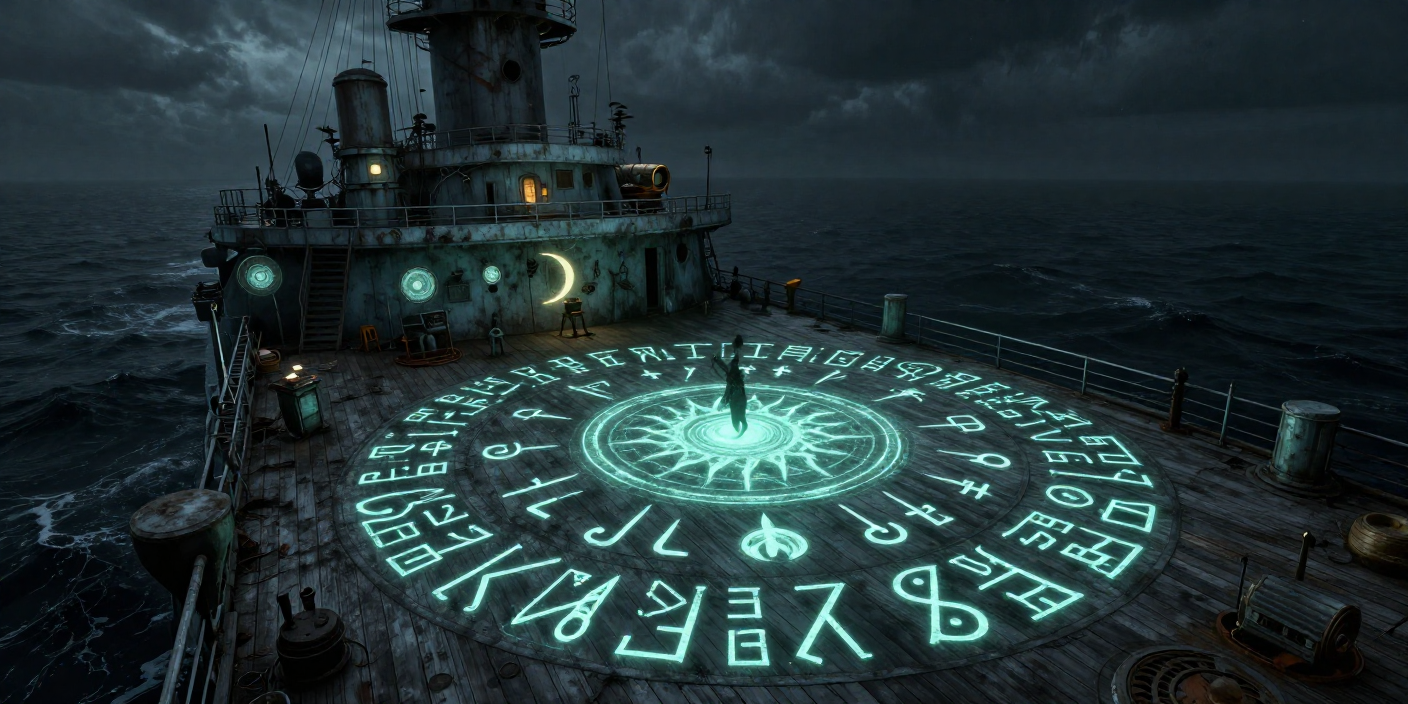
There’s something deeply unsettling about a Lovecraft Game, but not in the loud, jump-scare-heavy way most horror games operate. Instead of screaming monsters and constant action, these games creep under your skin slowly. They make you feel small. Powerless. Uncertain about what’s real—and that’s exactly the point.
Lovecraft-inspired games tap into cosmic horror, a type of fear rooted in the unknown and the idea that humanity doesn’t really matter in the grand scheme of the universe. Players aren’t just fighting enemies; they’re confronting ideas that challenge sanity, logic, and control. That quiet, lingering dread is why Lovecraft Games continue to fascinate players decades after their inspiration first appeared.
Who Was H.P. Lovecraft?
H.P. Lovecraft was an early 20th-century writer known for creating a unique style of horror that focused less on gore and more on existential fear. Instead of ghosts or serial killers, his stories introduced ancient, godlike beings and realities so vast that the human mind couldn’t fully comprehend them.
While Lovecraft never wrote about video games, his ideas laid the foundation for what we now recognize as the Lovecraft Game genre. His influence shows up in themes of forbidden knowledge, crumbling sanity, and worlds that feel ancient, indifferent, and hostile to human understanding.
What Does “Cosmic Horror” Actually Mean?
Cosmic horror isn’t about being chased—it’s about realizing you were never important to begin with.
At its core, cosmic horror explores three big ideas:
Insignificance: Humans are tiny, fragile, and ultimately irrelevant in a massive universe.
The Unknown: Some truths are too vast or alien for the human mind to process.
Fear Beyond Monsters: The scariest thing isn’t what you see, but what you can’t understand.
A Lovecraft Game uses these ideas to unsettle players psychologically. You’re not just afraid of dying—you’re afraid of knowing too much.
Defining a Lovecraft Game
So what actually makes something a Lovecraft Game?
It’s not just dark visuals or tentacles. A true Lovecraft Game emphasizes atmosphere, mystery, and existential dread over traditional power fantasies. These games often strip players of control, deny clear answers, and make success feel temporary—or even meaningless.
If a game makes you question reality, doubt your character’s sanity, and feel like the universe is quietly watching you… you’re probably playing a Lovecraft Game.
Common Themes in Lovecraft-Inspired Games
Most Lovecraft Games share a handful of recurring themes that shape both story and gameplay:
- Insignificance of Humanity: You’re not the chosen hero destined to save the world. You’re just another fragile human caught in something far bigger than yourself.
- Forbidden Knowledge: Learning the truth often comes at a cost. The more you uncover, the more dangerous—and damaging—it becomes.
- Madness and Sanity: Sanity isn’t a given. Exposure to strange events or beings can warp perception, memory, and behavior.
- Ancient, Unknowable Beings: The true threats are often ancient entities that don’t think, feel, or communicate like humans—and may not even notice you exist.
Gameplay Elements You’ll Often See
A Lovecraft Game doesn’t just tell cosmic horror—it makes you play through it.
- Sanity Systems: Many games track mental stability, causing hallucinations, distorted visuals, or altered mechanics as sanity declines.
- Investigation Over Combat: Combat is often clumsy, limited, or discouraged. Knowledge and observation matter more than brute force.
- Environmental Storytelling: Lore is hidden in notes, ruins, whispers, and environments rather than cutscenes.
- Moral Ambiguity: Choices rarely have “good” outcomes. You’re often choosing between two equally unsettling paths.
Atmosphere Over Action: How Lovecraft Games Create Fear
Fear in a Lovecraft Game comes from anticipation, not surprise.
Slow pacing, oppressive silence, distorted sound design, and unsettling visuals work together to create tension. You’re never quite sure when something will happen—or if it already has. Shadows linger too long. Music fades at the wrong moments. The world itself feels wrong.
Instead of jump scares, these games let dread build naturally, making fear feel personal and persistent.
Popular Examples of Lovecraft Games
If you’re new to the genre, these well-known titles are great entry points:
Call of Cthulhu – A narrative-driven investigation that captures classic Lovecraft themes of madness and forbidden truth.
Bloodborne – A fast-paced action game that slowly reveals deep cosmic horror beneath gothic aesthetics.
Darkest Dungeon – A brutal RPG where stress and mental collapse are just as dangerous as enemies.
The Sinking City – An open-world detective experience steeped in Lovecraftian lore and moral ambiguity.
Each of these games interprets the Lovecraft Game concept differently, showing how flexible the genre can be.
Are Lovecraft Games Always Horror Games?
While horror is common, Lovecraftian influence appears in RPGs, action games, strategy titles, and even adventure games. What defines a Lovecraft Game isn’t the genre—it’s the perspective. The sense that the universe is vast, uncaring, and unknowable can exist even without traditional horror mechanics.
Cosmic dread can be subtle, philosophical, or quietly tragic rather than outright terrifying.
What Kind of Player Will Enjoy Lovecraft Games?
A Lovecraft Game isn’t for everyone—and that’s okay.
You’ll probably enjoy these games if you love:
- Story-rich experiences
- Mysteries without clear answers
- Slow-burn tension over constant action
- Games that make you think and reflect
If you need constant empowerment or clear-cut victories, cosmic horror might feel frustrating instead of fun.
Tips for Beginners New to Cosmic Horror Games
Starting your first Lovecraft Game can feel disorienting. That’s intentional—but a few tips help:
- Don’t expect clear answers – Uncertainty is part of the experience.
- Embrace confusion – Feeling lost often means the game is working.
- Pay attention to details – Notes, environments, and subtle cues matter more than tutorials.
Think less like a warrior and more like an observer trying to survive.
Final Thoughts: Why Lovecraft Games Endure
A Lovecraft Game doesn’t just entertain—it unsettles, provokes, and lingers in your mind long after you stop playing. These games endure because they tap into a universal fear: the idea that the universe doesn’t revolve around us, and maybe never did.